
So we finally made it to UCLA on June 17. Going in we weren’t exactly sure what was going to happen or what we would learn, so we were just eager to get there. We knew that we were going to meet with some of the most knowledgeable doctors in this part of country regarding Biliary Atresia and it’s treatment, so we were hopeful.
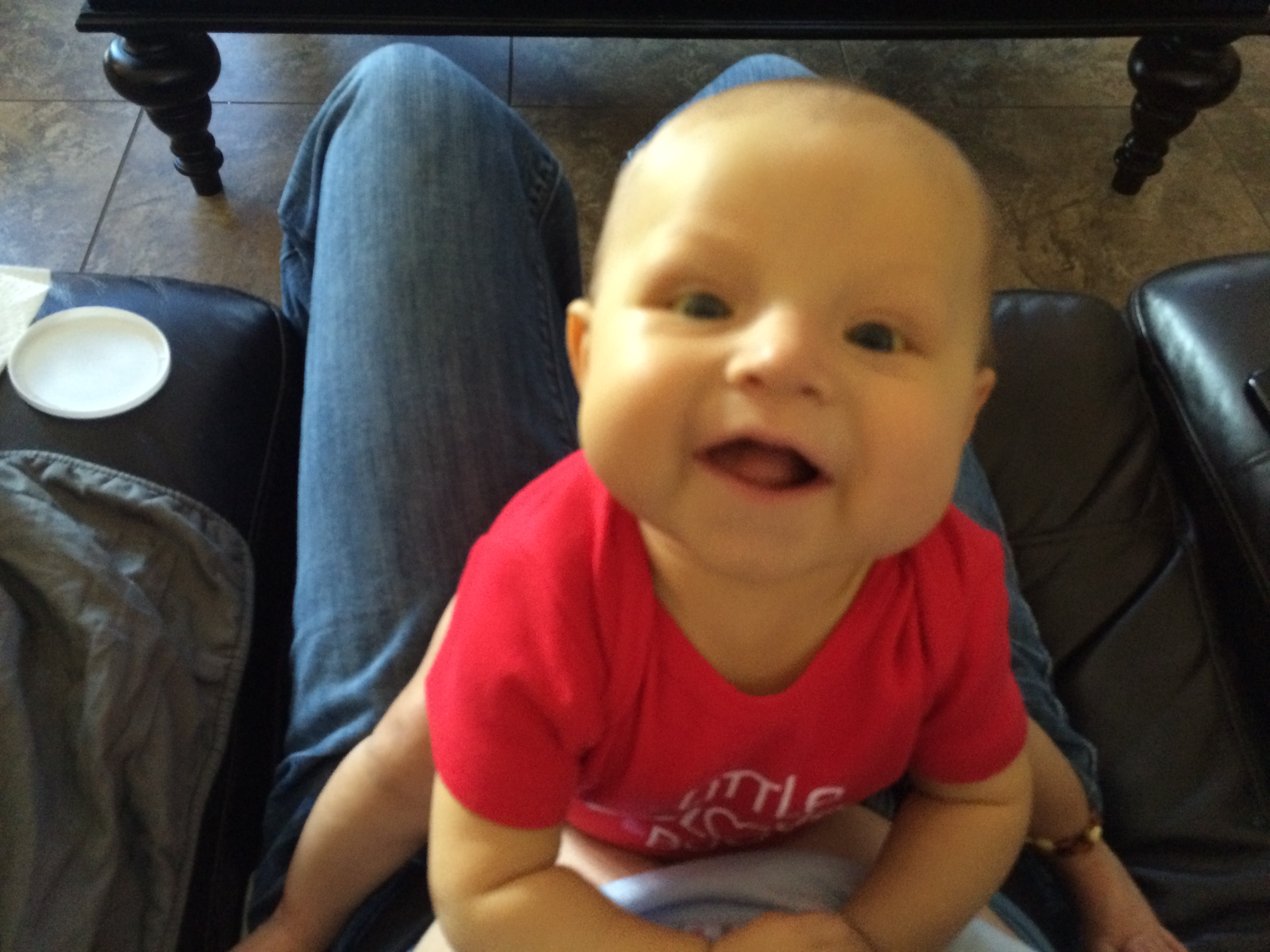
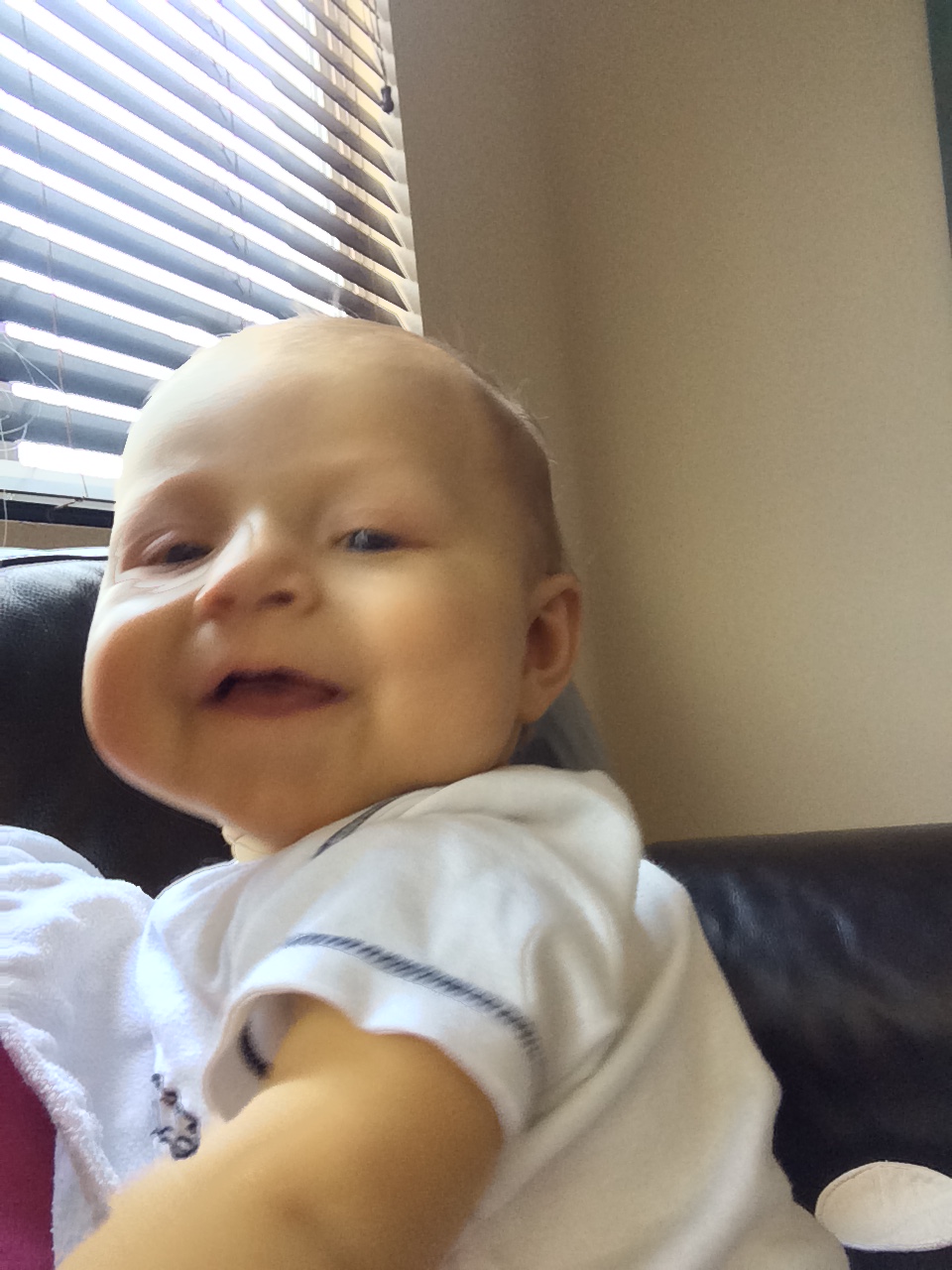
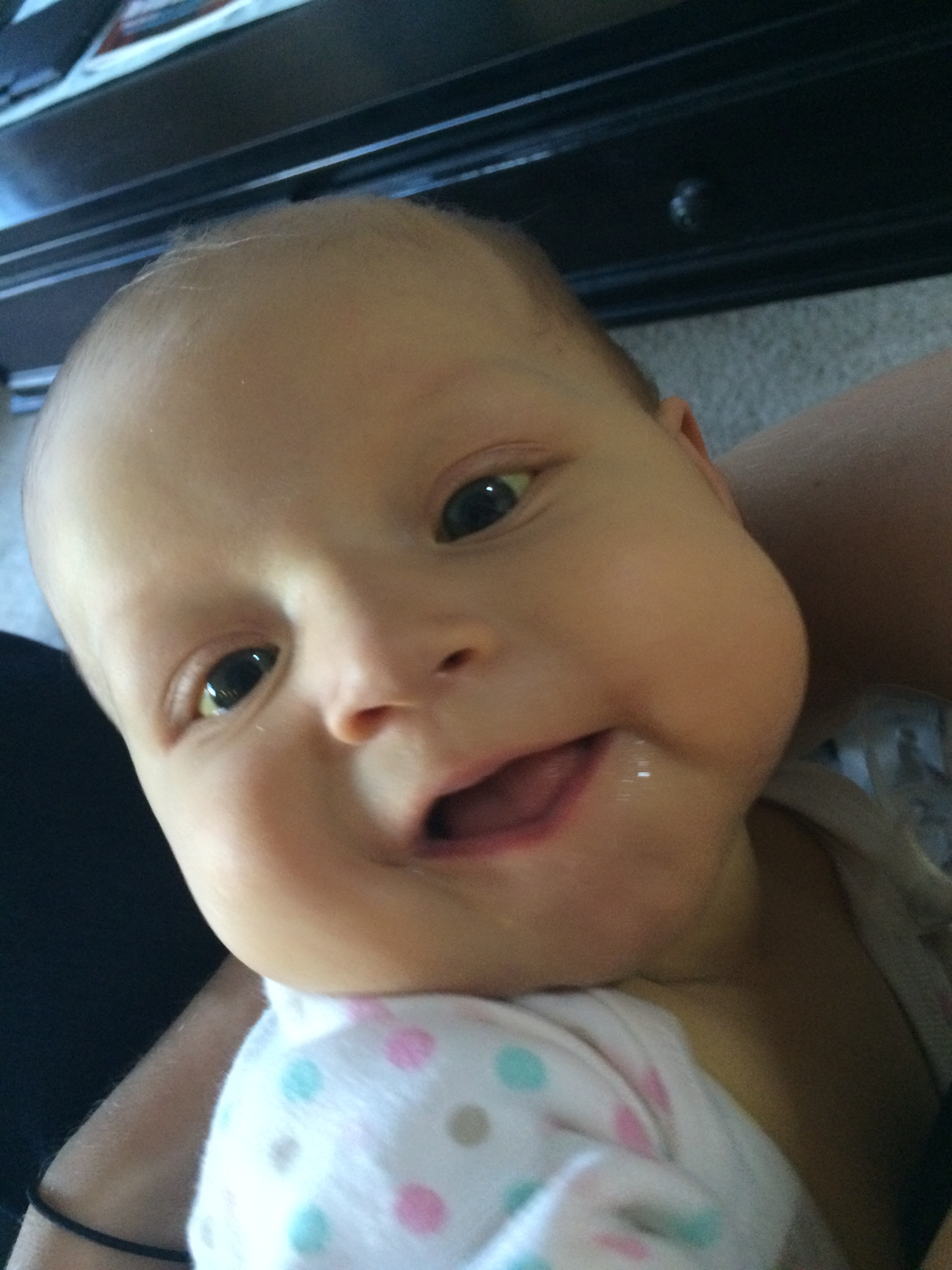
The first appointment we had scheduled was with a cardiologist who wanted to do another echocardiogram to see if his stronger, better technology would pick up on any issues or see a PFO. We were relieved when he came in after the test and said everything looked fine. He said he didn’t anticipate any problems that they would find before, during, or after a liver transplant in regards to her heart. Jason and I turned to each other after the appointment and said that we had a good start to the day, and hopefully that would continue.

Next we met with the nurse who coordinates care, insurance processing, etc. for liver disease for the pediatric GI. We instantly liked his personality, professionalism while talking about BA and the transplant process, as well as caring demeanor. Not to mention he was wearing a Teenage Mutant Ninja Turtles t-shirt under his scrubs (neither of us said anything to him but Jason and I talked about it later that day as we were recapping the events of the day). Anyway, both he and the pediatric GI were great. They talked to us in-depth about the listing process, about some of the things they were concerned about with Norah, and also introduced us to our social worker who would help us throughout the process. The doctor did a physical examination of Norah, asked us some questions, got her list of medications (luckily I had remembered to put them all in my phone, including pictures of the bottles in case I made an error when inputting the information) and talked to us about transplant. It was at that point that Jason and I both realized no one was saying “if” anymore, and that it was a matter of “when” that Norah would need a transplant. Suddenly we felt defeated and rather than surprised, and we were numb in the realness of the situation.
Norah was not going to survive unless we got her a new liver.
The rest of our appointments were a bit of a blur to me as we met several surgeons, an anesthesiologist, and rejoined our nurse and social worker at our final appointment. Finally the head of the surgical department for liver and kidney transplant surgeries said the words we had been dreading all day: “She definitely needs a transplant.” I know he said other things too to the effect of her needing it relatively soon, that just by the looks of her she met criteria, and made it clear that there were no other options.
We also talked about a variety of other topics including: what her score on the PELD (Pediatric End-stage Liver Disease) would be on the transplant list, that she needed a stronger diuretic to help with her severe abdominal distention, that neither Jason nor I were donor candidates, how living organ donations worked and that because of Norah’s petite size, how small the donated liver would have to be, discussed some of our supports and questions regarding resources, etc.
https://en.wikipedia.org/wiki/Pediatric_end-stage_liver_disease
After that last appointment there was one more stop we needed to make – to get Norah’s blood work to confirm her blood type, bilirubin levels, etc. We started the day of appointments at 10am and didn’t leave the facility until around 5pm.
To say that the day was long and overwhelming is an understatement. We walked back to our hotel without talking much and just “zoned out” for a little while before we decided we needed to eat after not having a meal since breakfast. It was hard to believe we had just been through all of that in just one day, and neither Jason nor I wanted to talk to anyone about it. The certainty of Norah’s fate regarding her need for a liver transplant was always in the back of our minds, but when it was actually said and confirmed, it still felt we had been hit by a bus. How could someone even prepare themselves for that? To look at your tiny 5 month old baby with all those thoughts and fears is something I could never have anticipated.
Even after all the specialists had examined Norah and met with us to explain how badly she needed the transplant, it was still hard for me to comprehend it all. I knew she was yellow, but I had begun to shut my brain off to it as much as possible. It was then that I concluded that even in her smiles, there was pain and a general feeling of unwellness, and that she was much, much sicker than she was letting on.
 Norah's Story